TIPI FABRICS
The fabrics for the tent covers are made in Europe and the tent covers are processed by our European partner. Our close and long-term cooperation guarantees constant and high quality. The processing of the double fell seam is ideal for the tent production due to the four layers sewn together. The extremely robust nylon straps are used for optimal bracing. Our tents are the result of many years of continuous development and convince in their quality and workmanship.
All our natural products are twice finished, impregnated and treated against mildew. They are therefore perfectly equipped for outdoor use.
Tent fabric «Basic»

This tent fabric is particularly suitable for tents that are often set up and taken down. It dries quickly and is easy to transport.
- Composition: 100% cotton
- 330g / m²
- Color Nature (undyed)
- waterproof impregnated
- Treated against mold
Tent fabric «Plus»
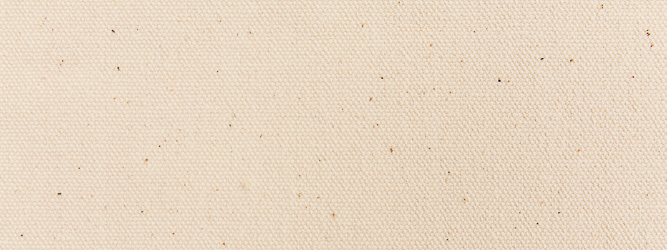
This material impresses with its good price-performance ratio. A very hard-wearing, quick-drying blended fabric with a natural look. Has been used successfully by us for years. This fabric has a long lifespan and withstands the worst storms, continuous rain, snow, frost and heat. With regular care, it is ideally suited for year-round use.
- Composition: 50% cotton / 50% polyester
- 450g / m²
- Color Nature (undyed)
- waterproof impregnated
- treated against mold
Tent fabric «Premium»
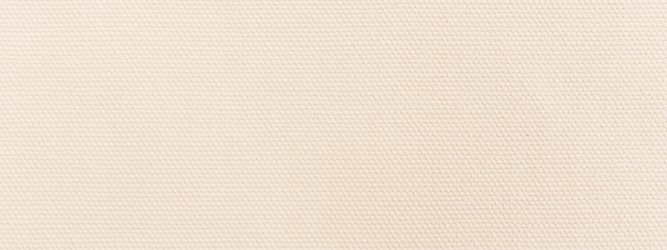
A modern, durable mixed fabric with the look and feel of a natural fabric. It is also made flame-retardant in accordance with current European standards. We recommend this material to customers with high demands and for installations on public land. It is the ideal material for permanent outdoor use.
- Composition: 30% PPAN-fr (fr = flame retarded) / 30% CV (Viscose) / 30% PVA-fr / 10% PVA
- 420g / m²
- Color Nature (undyed)
- wind and waterproof
- Flame retardant (M1) / Stage: FR-1
- treated against mold
WOOD
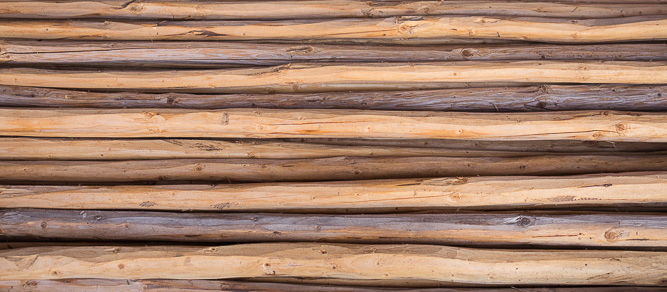
We obtain the wood for our tents from Europe and it is carefully selected according to our criteria. Our poles are cut by hand and peeled cleanly. They are then dried in a large warehouse for at least six months. Straight spruce or pine tips are best for the tipi poles. However, larch or other conifers could also be used for this. In young forest stands, these young trees are often felled as waste wood and cut out.
Ideally, the course of the rods is an even narrowing from the foot to the tip. The lower part is between 10 and 13 cm thick, depending on the length. At the crossing point the thickness should be approx. 4-5cm so that the opening of the cover closes optimally around the rods and the weight of the cloth does not put too much strain on the rods. A teepee pole set looks most natural when the poles are as pointed as possible and the lengths of the poles rise irregularly into the sky.
Bamboo poles can also be used for smaller tipis. They are lighter but not as robust and like to split in our latitudes. We rarely use them and at the request of our customers.
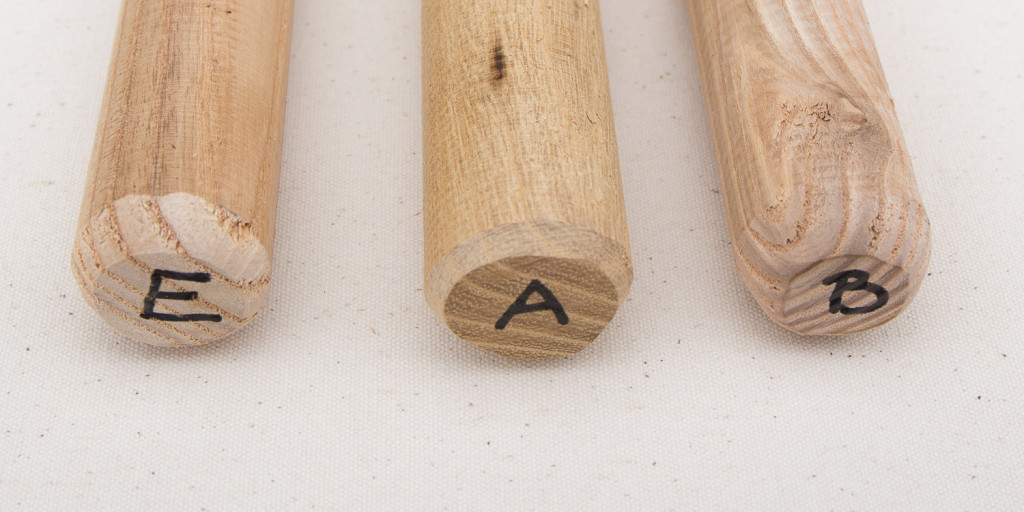
The pegs are made by hand from beech, oak or acacia wood. We use beech wood as standard. It is an inexpensive, sustainable and weather-resistant material. The oak is somewhat more robust than that of the beech and was previously used for shipbuilding. After the beech, it is the most widespread deciduous tree genus and occurs in mixed forests. Acacia trees are rather rare in forests and are grown as decorative woods. They belong to the group of hardwoods and are therefore very weather-resistant.
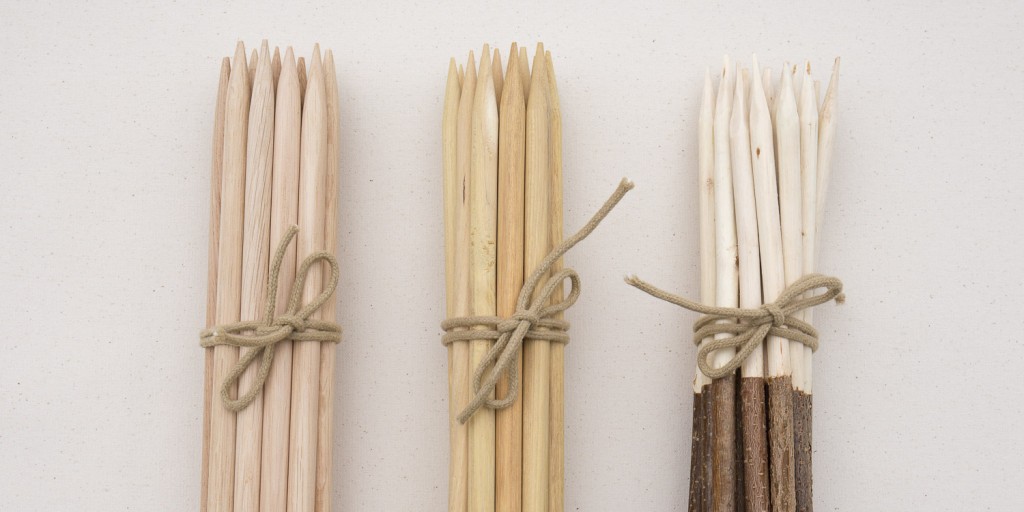
Young willow or hazelnut branches, for example, are well suited as locking pins on the tipis. With their bark they are a nice decoration for every tipi. Unfortunately, they tend to weather and should therefore be replaced more often. Hazelnut bushes are easy to find in Europe and can therefore be easily carved and replaced by the tipi owners. If you have higher demands on your needles, you can purchase needles made from more robust acacia and oak wood from us.